

Choosing the right event photographer is crucial for capturing the essence and highlights of your special occasion, whether it’s a wedding, corporate event, birthday party, or any other celebration. A good photographer doesn’t just take pictures; they tell a story, capture moments, and preserve memories. Here are some essential factors to consider when selecting an event photographer:
1. Portfolio and Style
Start by examining the photographer’s portfolio. This will give you a sense of their style and capabilities. Look for consistency in quality and the ability to capture various aspects of events, such as candid moments, posed shots, and detailed close-ups. Ensure their style aligns with your vision. For example, if you prefer a documentary approach with natural, candid shots, their portfolio should reflect that.
2. Experience and Specialization
Experience matters, especially for important events. Ask about the photographer’s experience with events similar to yours. A wedding photographer, for instance, should have experience in handling the fast pace and emotional moments of weddings. Similarly, a corporate event photographer should be adept at capturing speakers, attendees, and the overall ambiance in a professional setting. Experience also means they can handle unexpected situations with ease.
3. Reviews and References
Client reviews and references are invaluable. Look for testimonials on their website or third-party review sites like Yelp or Google Reviews. Ask the photographer for references from past clients and take the time to speak with them about their experience. Positive feedback about the photographer’s professionalism, punctuality, and ability to deliver quality photos will give you confidence in your choice.
4. Personality and Professionalism
Your photographer will be interacting with your guests and blending into your event. It’s important that they have a pleasant personality and can engage with people effectively. During your initial meeting or consultation, gauge their professionalism and demeanor. They should be friendly, approachable, and attentive to your needs. A good rapport will ensure a smoother experience on the day of the event.
5. Equipment and Backup Plan
Inquire about the photographer’s equipment. They should use professional-grade cameras and lenses capable of capturing high-quality images in various lighting conditions. Equally important is their backup plan. Ask if they bring backup equipment in case of technical failures. This includes extra cameras, lenses, batteries, and memory cards. A professional photographer should be prepared for any eventuality.
6. Packages and Pricing
Understanding the photographer’s pricing structure is crucial. Ask for a detailed breakdown of their packages and what’s included. Consider factors such as the number of hours of coverage, the number of edited photos, and whether an assistant photographer is included. Some photographers offer add-ons like photo albums, prints, or digital downloads. Ensure there are no hidden costs and that you get value for your investment.
7. Post-Production and Turnaround Time
Post-production can significantly enhance the quality of your photos. Ask about the photographer’s editing process and what’s included in the final deliverables. Some photographers provide basic editing, while others offer extensive retouching. Additionally, inquire about the turnaround time for receiving your photos. It’s important to know how long it will take to get your edited images, especially if you need them for specific purposes like a corporate report or thank-you cards.
8. Contract and Legalities
A professional photographer will provide a detailed contract outlining the terms and conditions of their services. Ensure the contract includes specifics like the event date, hours of coverage, payment terms, cancellation policy, and ownership rights of the photos. Having a clear contract protects both parties and ensures there are no misunderstandings.
9. Communication and Flexibility
Effective communication is key to a successful collaboration. The photographer should be responsive and open to your ideas and concerns. Discuss your expectations and any specific shots you want captured. Flexibility is also important, as events often don’t go exactly as planned. A good photographer should adapt to changes and be willing to accommodate last-minute requests.
10. Personal Connection
Finally, trust your instincts. A personal connection with your photographer can make a big difference. You should feel comfortable and confident in their ability to capture your event. If you feel a genuine connection and trust in their expertise, it will reflect positively in the photos.
Conclusion
Choosing the right event photographer requires careful consideration of their portfolio, experience, personality, equipment, and pricing. By doing your research, reading reviews, and having clear communication, you can find a photographer who will beautifully capture the essence of your event, creating lasting memories you can cherish for years to come. Investing time in selecting the right photographer ensures that every important moment of your event is preserved in the best possible way.
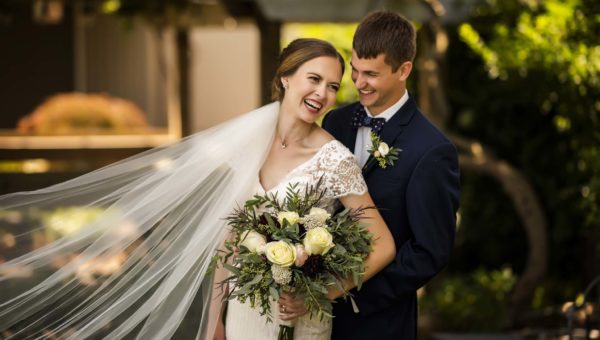
 Timeless Wedding Snaps